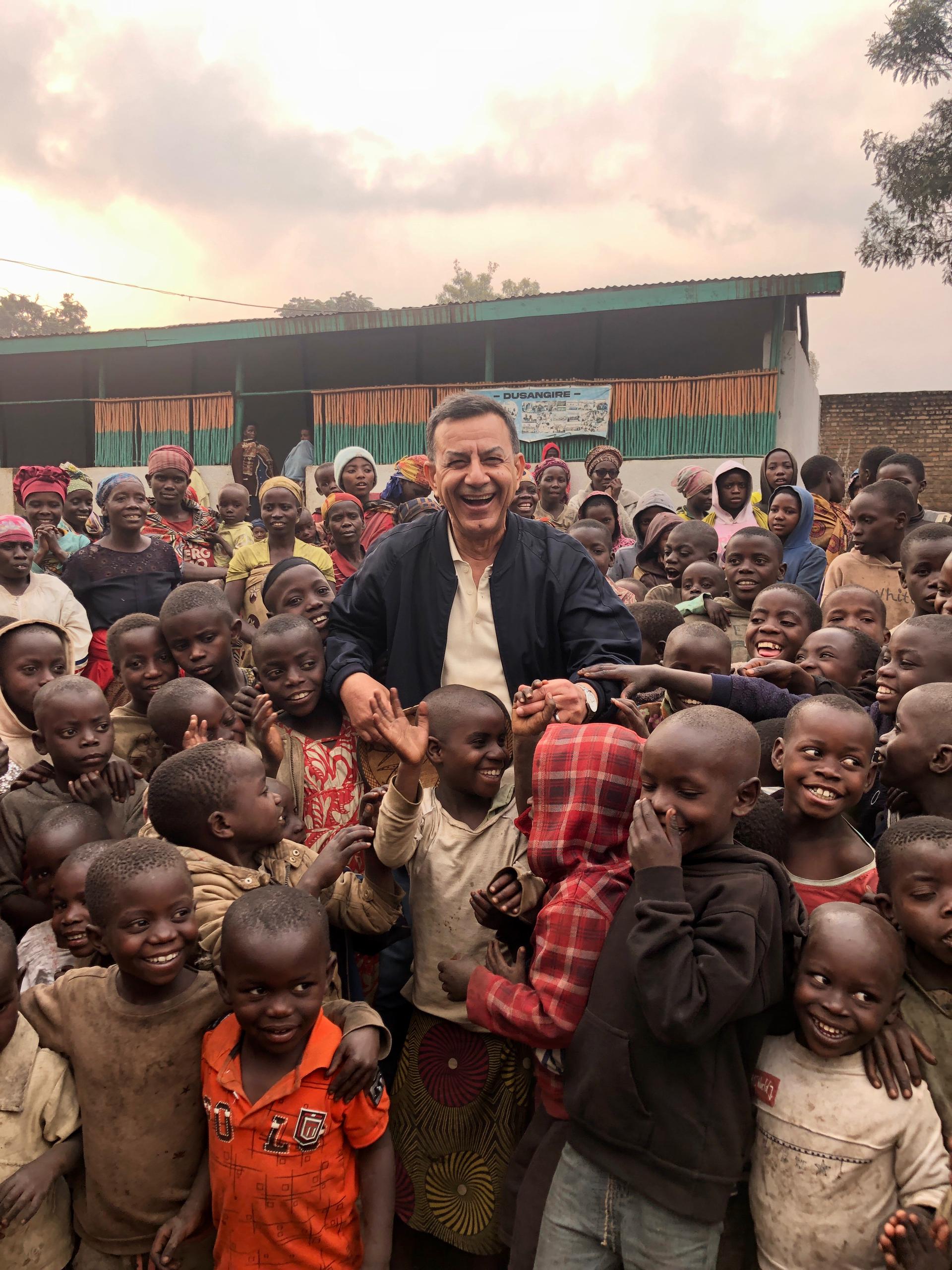
Is It Safe to Walk Around and Talk to Locals in Burundi?
The answer, for most visitors, is yes — and not only safe, but often one of the most beautiful parts of the journey.
In Burundi, walking, greeting people, and talking to locals is part of everyday life. It’s natural, calm, and deeply human.
Why This Question Comes Up
Many travelers come from places where strangers avoid eye contact, and conversations with unknown people feel unusual or risky.
In Burundi, it’s the opposite.
People greet each other naturally. A simple walk can turn into a short conversation, a shared laugh, or a friendly exchange — without pressure or expectation.
What Happens When You Walk Around in Burundi
When you walk through neighborhoods, markets, or villages in Burundi, you’ll likely notice:
- Friendly greetings like “Amakuru?” (How are you?)
- Smiles and eye contact
- Curious but respectful questions
- People happy to help if you’re lost
Talking to locals doesn’t feel forced. It feels normal.
Are Locals Kind to Foreign Visitors?
Yes — kindness is one of the most consistent things travelers mention after visiting Burundi.
Locals are often:
- Curious about where you’re from
- Proud to share their country
- Happy to talk, even briefly
- Respectful and calm
This kindness is not transactional. People don’t expect money, tips, or favors just for talking.
Is It Safe to Do This Alone?
In most situations, yes, especially during the day and in normal public areas.
That said, like anywhere in the world:
- Use common sense
- Avoid empty areas late at night
- Dress respectfully
- Follow local advice
Walking with awareness — not fear — is the best approach.
Why Burundi Feels Safer Than People Expect
Several reasons:
1. Strong Social Culture
Communities are close-knit. People look out for each other and for visitors.
2. Low Aggression Toward Tourists
Tourists are rare, which often leads to curiosity and respect — not hostility.
3. Life Happens in Public
Markets, streets, and neighborhoods are active and social, which naturally increases safety.
Talking to Locals: A Highlight, Not a Risk
For many visitors, conversations with locals become their favorite memories:
- A chat at a market
- A greeting during a walk
- A shared moment by the lake
- A conversation over local coffee
These moments are simple, but deeply meaningful.
Visiting with Local Guidance Makes It Even Better
While independent walking is safe, having a local guide or trusted tour company adds comfort and cultural understanding.
They help:
- Explain local customs
- Introduce you properly
- Choose the right places to explore
- Make interactions smoother and more meaningful
This turns safety into confidence.
Final Answer: Is It Safe?
Yes.
Walking around and talking to locals in Burundi is generally safe, peaceful, and rewarding.
More than safety, what surprises most travelers is the kindness, warmth, and openness of the people.
Burundi doesn’t rush you.
It welcomes you — one conversation at a time.