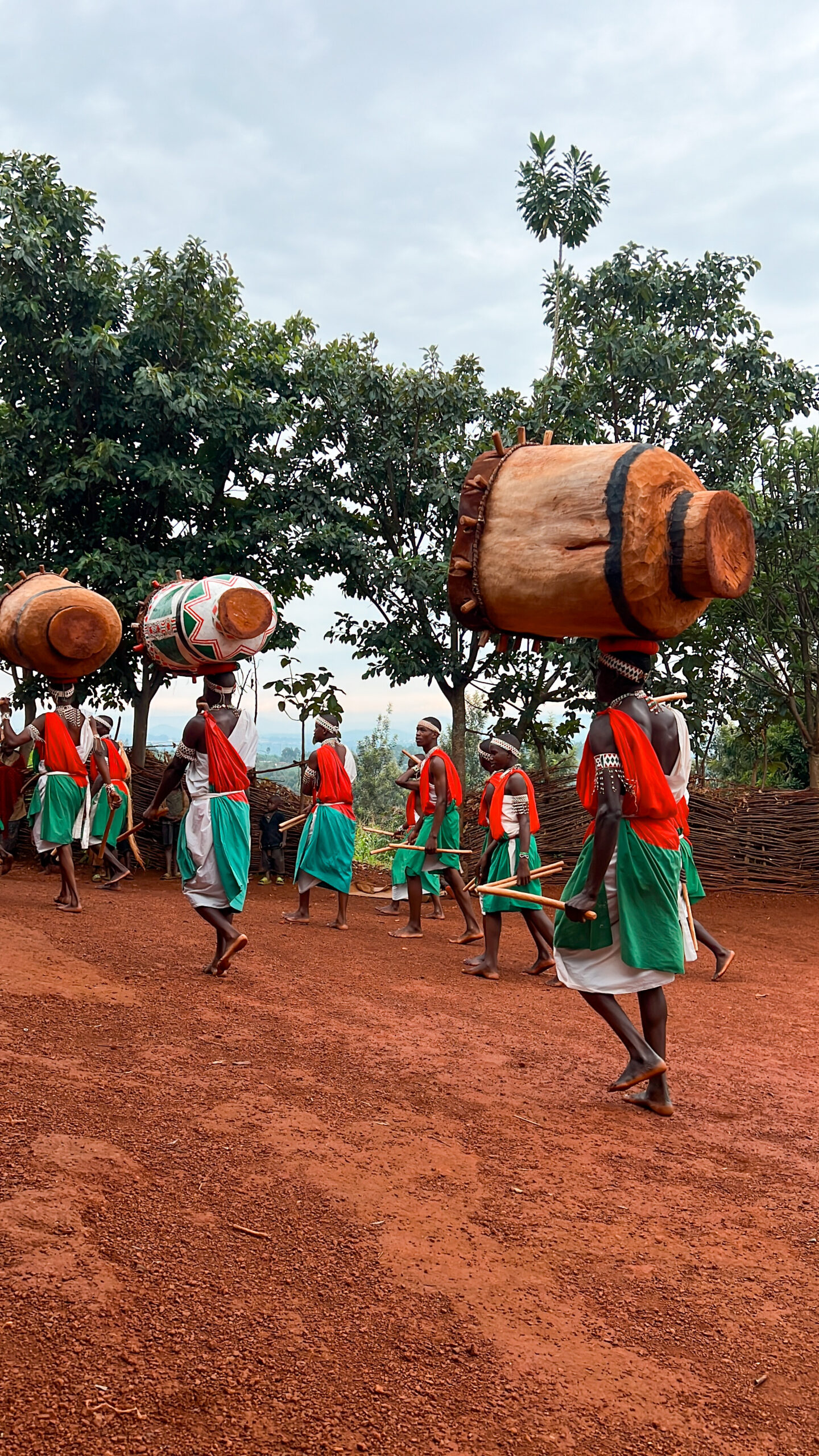
Cultural Etiquette to Know Before Visiting Burundi
Understanding cultural etiquette is an important part of enjoying your journey in Burundi. The country is welcoming and respectful, but like anywhere in the world, social norms and traditions shape daily life. Knowing how to behave appropriately helps travelers feel comfortable and ensures positive interactions. Well-organized Burundi tours make this easier by providing guidance and local insight throughout the journey.
Respect and Politeness Come First
Respect is a core value in Burundian society. Greetings are important and should never be rushed. Taking time to say hello and exchange a few polite words is appreciated, especially when meeting elders or entering shops and homes.
Local guides on Burundi tours help travelers understand when and how to greet people appropriately.
Modest Dress Is Appreciated
Modest clothing is expected in most public places, especially in towns, villages, and cultural sites. While there is flexibility in urban areas, revealing clothing may attract unwanted attention or discomfort.
Burundi tours often include advice on suitable dress depending on where you are visiting, helping travelers blend in respectfully.
Photography Requires Permission
Photography should always be approached with care. It is polite to ask permission before taking photos of people, homes, or community spaces. Some cultural or official sites may restrict photography.
Guides on Burundi tours advise travelers on when photography is appropriate and help ask permission when needed.
Understanding Social Hierarchy
Age and seniority are respected in Burundi. Elders are often greeted first, and their opinions are valued. Interrupting or speaking loudly to elders is considered impolite.
Burundi tours provide context so travelers understand social dynamics and interact respectfully.
Public Behavior and Communication
Burundians generally value calm and composed behavior. Loud voices, aggressive gestures, or public displays of frustration are discouraged.
Travelers on Burundi tours are encouraged to communicate politely and patiently, even in unfamiliar situations.
Eating and Hospitality Customs
If you are invited to share food or drink, accepting politely is a sign of respect. Meals may be simple, but they are often shared generously.
Burundi tours may include cultural meals, and guides explain dining customs so travelers feel at ease.
Religion and Beliefs
Religion plays an important role in many communities. Visitors are expected to behave respectfully near places of worship and during religious activities.
Guided Burundi tours help travelers understand local beliefs without intruding or causing discomfort.
Gifts and Giving
Giving gifts or money directly to individuals, especially children, is generally discouraged. Responsible Burundi tours recommend supporting communities through appropriate channels instead.
Tour operators guide travelers on ethical ways to contribute positively.
Why Local Guides Make a Difference
Many cultural norms are subtle and situational. Local guides interpret these moments and offer guidance in real time.
Burundi tours led by local experts help travelers avoid mistakes and build respectful relationships.