
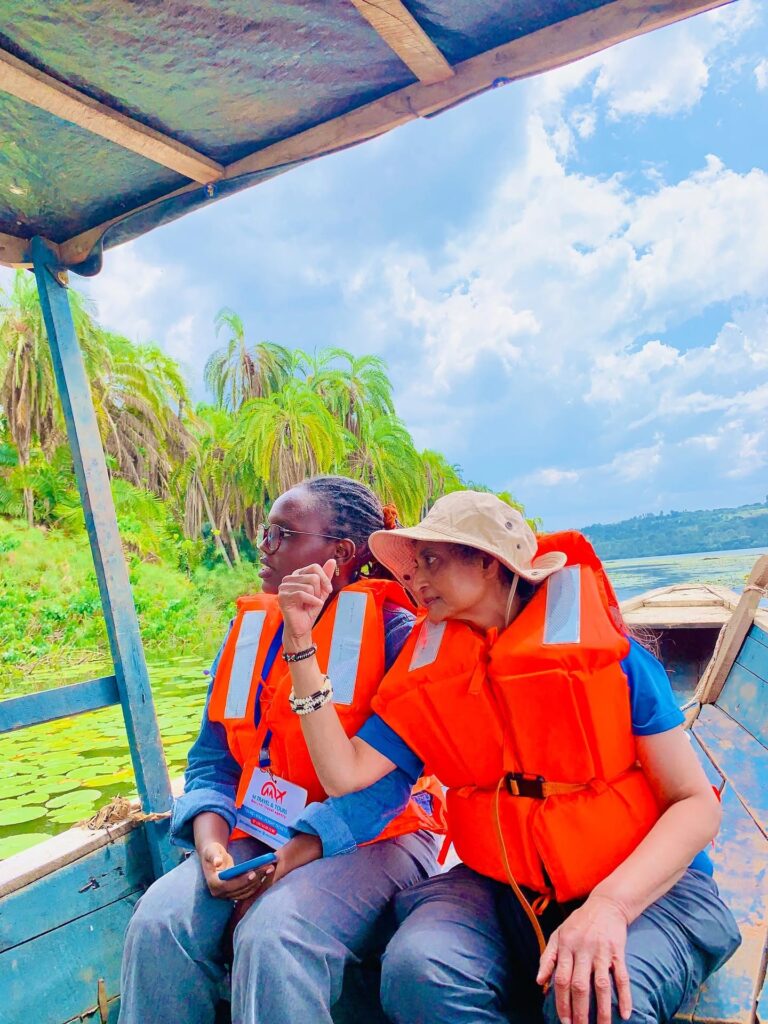
A Lake Tanganyika outing begins before the boat moves. The most useful part of the morning may be the conversation on shore: where you are going, what you hope to notice, how everyone will sit and what will happen if the conditions change. A clear departure makes room for the pleasure of being on the water. Instead of wondering about the return point or searching for a dry place for your phone, you can look back towards the hills and enjoy the changing shoreline.
This guide is for visitors arranging a private boat excursion with M Travel in Burundi. It is a preparation guide, not a promise of a particular route, species sighting or water condition. Your confirmed booking and the captain’s instructions determine the outing on the day. For ideas about combining water and city time, see our one-day introduction to Bujumbura.
Describe the experience you actually want
“A boat trip” can mean quite different things to different travellers. One person wants photographs of the shore; another wants patient bird observation; a family may prefer a short outing followed by lunch. Explain the purpose of your trip when you book. Tell the team whether you want a relaxed scenic journey, time observing wildlife from a suitable distance, or an introduction to the lake’s working shoreline. These priorities help the team propose an appropriate arrangement without packing incompatible expectations into one departure.
Also describe what would make the experience uncomfortable. A traveller who finds boarding difficult needs that conversation before reaching the launch point. Young children, substantial camera equipment and a strong preference for shade can affect preparations. Ask what the selected boat can accommodate rather than assuming that every vessel has the same seating, shelter or space. A good plan starts with the people travelling, then fits the outing around them.
Confirm the meeting point and the return arrangement
Keep the written meeting instructions somewhere accessible without an internet connection. The name of a beach or lakeside hotel may not identify the exact boarding place. Confirm whether your driver brings you to the captain, whether someone meets you at a reception area, and which contact to use if you are delayed. If you are being collected at a hotel, give the correct property name and a phone number that will work locally.
Discuss what follows the excursion as well. A city walk, a restaurant reservation or an airport departure can change the amount of flexibility available. Avoid treating the planned return as an inflexible guarantee against wind or other operational decisions. Build a margin into the rest of the day. When your onward commitment is important, tell the team before confirming the boat plan so that the whole itinerary makes sense.
Listen to the briefing before unpacking your camera
At the boat, allow time for the captain to explain boarding, seating and movement. Ask for help if a step feels awkward. Keep your hands available and board one person at a time as directed. Do not allow the excitement of an attractive view to interrupt the briefing. Knowing where to sit and when to move matters more than capturing the first photograph before everyone else.
Use the life jacket provided as instructed and ask the crew to check the fit if you are unsure. Children need equipment suitable for their size; raise this when arranging the trip. If anything essential is unclear or unsuitable, resolve it on shore. Nobody should feel embarrassed about asking a practical question. The captain should also explain how the group will communicate when engine noise makes ordinary conversation difficult.
Pack for a small, organised space
Bring what you will use, keeping loose items to a minimum. Put your phone, wallet and spare camera battery in a protective bag that can close securely. A large open tote is inconvenient when you need both hands. Keep drinking water within reach without placing bottles where people step. Ask about the arrangement for larger bags if you are travelling between accommodation stops rather than returning to the same hotel.
Think about sun, breeze and spray together. An extra layer can be useful even when the shore feels warm. Secure hats and other light items; a dropped object is not a reason to lean dangerously over the side or ask the crew to make an unsuitable manoeuvre. Carry a cloth for the outside of your camera or phone case, and organise settings before departure. Simple preparation often improves photographs more than bringing additional equipment.
Make room for observation without chasing it
If wildlife is part of your interest, tell the captain and guide, then let them choose a suitable approach. A sighting is an opportunity to watch behaviour, not an invitation to close the distance until an animal reacts. Stay seated when asked and keep everyone aware of where equipment is pointing. Photographs taken with a wider view can show the relationship between water, vegetation and an animal without requiring an intrusive approach.
Birds and other wildlife may be absent from a place where they were seen on a previous trip. Avoid measuring the entire outing against a photograph from somebody else’s visit. Water colour, reflections, shore activity and changing views can all make a boat journey worthwhile. Ask your guide what they can confidently identify and keep uncertain observations labelled as uncertain in your own notes.
Respect the people working along the shore
Fishing boats and landing places are workplaces. A visitor’s scenic outing should not obstruct somebody else’s departure, unloading or repair work. If a closer visit is proposed, the guide should arrange it with the people concerned. Ask permission before making a recognisable portrait. A friendly wave is a welcome greeting, but it does not automatically grant permission to publish a photograph or film a person’s working day.
Keep curiosity specific and respectful. You might ask how a particular item of equipment is used, where boats are maintained or what makes a landing place practical. Do not invent an answer from appearance alone. When sharing a story afterwards, distinguish what a person told you from your own interpretation. Our guide to writing meaningful travel photo captions offers a useful approach to recording that difference.
Leave the final route decision with the crew
Lake conditions can change, and an agreed plan may need adjustment. Discuss the alternatives before departure: a shorter route, a delay, a different sequence of activities or returning to shore. The captain’s operational judgement takes priority over a visitor’s preferred photograph. A private booking gives you a more personal conversation about your interests; it does not remove the need to adapt to the water.
Before travelling, read the weather and cancellation information attached to your package so you understand how changes are handled. Do not assume every interruption leads to the same refund or replacement arrangement. Questions about those terms belong with the booking team, while immediate navigation decisions belong with the crew. Keeping these responsibilities clear makes an unexpected change easier to manage calmly.
Keep a short record after the outing
Once you are ashore, check your belongings and make a few notes while the details are fresh. Record the confirmed place names, the guide’s explanations and anything you want to ask about later. If you plan to send photographs to the team or to people you met, agree on an appropriate contact route. Avoid publishing a person’s phone number or other private information alongside a travel image.
For a complete booking, choose from our Burundi tour packages or use Plan your trip to describe your party, date, hotel and preferred outing. Include any onward flight or road journey. The aim is a morning that feels straightforward from hotel pickup through the final return, with enough attention left over to appreciate Lake Tanganyika itself.