
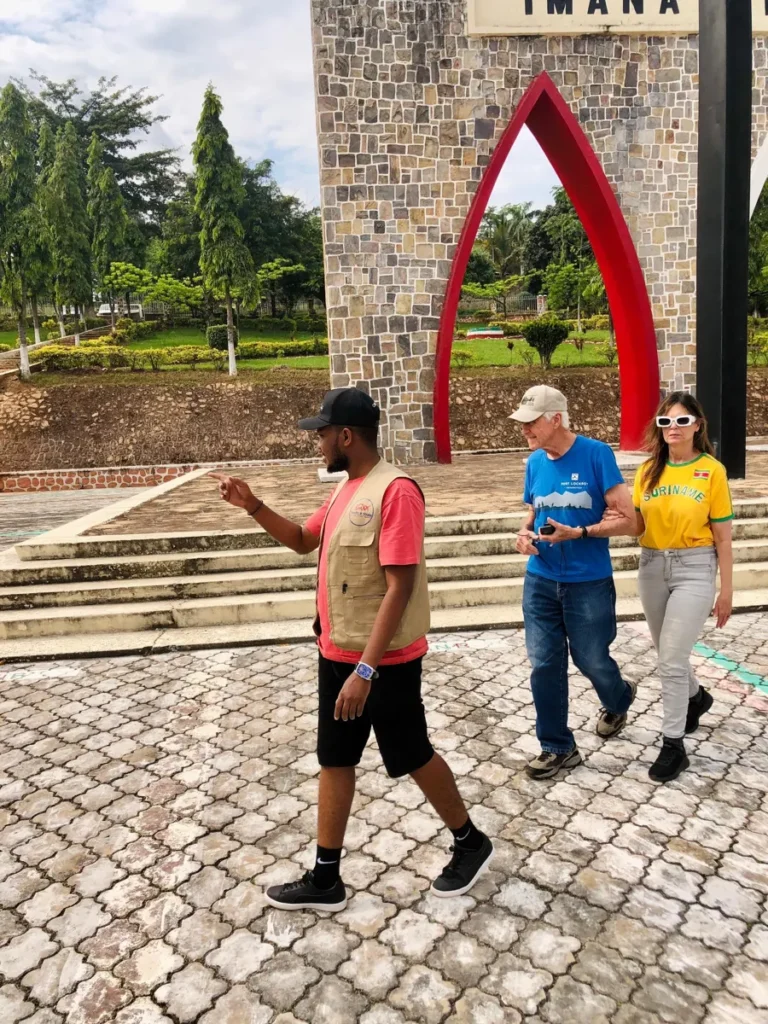
A guided walk through Bujumbura gives the city a scale that is easy to miss through a vehicle window. You notice the shade beneath a tree, the way a shop opens onto a street and the distance between a busy junction and a quieter courtyard. The interest lies in these changes as much as in named landmarks. Walking also creates time for questions that are difficult to ask when the itinerary moves from one parking place to another.
The best route is a conversation between your interests and the conditions of the day. It does not need to cross the entire city. A short, well-chosen section can tell a richer story than a long walk without context. This guide explains how to shape a thoughtful city outing and combine it with transport where useful. For a broader schedule, begin with our one-day Bujumbura itinerary.
Choose a theme before choosing a distance
Start by explaining what attracts you to cities. Architecture, contemporary business, markets, memorials and food each suggest a different walk. Trying to give every subject equal attention often produces an outing that is too fragmented. Choose one main thread and let the guide suggest two or three places that develop it. A route about daily life might spend longer in a commercial neighbourhood, while a heritage walk may allow more discussion around monuments.
It helps to say what you already know. If you have visited Bujumbura before, identify the places you remember and the questions left unanswered. If this is your first day in Burundi, you may prefer orientation: how the city relates to the lake, where your hotel sits and which places merit a later visit. A guide can then spend less time repeating familiar information and more time making the city understandable.
Use walking and driving together
A private city tour does not have to be entirely on foot. Transfers between selected walking areas can reduce fatigue and leave more time for the places you care about. Ask the team to distinguish the walking portions from the vehicle portions in the itinerary. “City tour” alone does not tell you how long you will stand, how much road crossing is involved or where a seated break fits.
For travellers with limited stamina, describe the practical issue rather than simply requesting an easy tour. Perhaps uneven ground is difficult, perhaps long periods of standing are tiring, or perhaps regular shade matters most. The guide can propose a route with that information. Confirm the access at individual stops rather than assuming all monuments, museums and public spaces have equivalent surfaces or facilities.
Let ordinary details become useful questions
You do not need an expert’s vocabulary to enjoy urban observation. Ask why a building faces a certain direction, what a sign says or how an area is used at different times of day. Questions grounded in something visible invite clear explanations. They also help avoid broad statements about a whole city based on a single street or a brief encounter.
Notice patterns without deciding too quickly what they mean. Similar shopfronts may suggest a cluster of related trades; a quiet space may simply be quiet at that moment. A guide can add local context or explain when an answer requires someone else’s expertise. It is perfectly reasonable to leave a question open. Accurate travel notes are more valuable than a confident story assembled from assumptions.
Give heritage stops their own space
Burundi’s tourism ministry identifies the Living Museum and the mausoleum of Prince Louis Rwagasore among Bujumbura’s cultural and historical places. These are different kinds of visit. A museum can invite questions about objects and interpretation, while a memorial calls for attention to the person and history it commemorates. Check the current opening and access arrangements with your guide before making either a fixed part of the day.
At a memorial, allow the explanation to come before photography. Ask which dates and names are essential to understanding the place, and check spellings if you intend to write about it. At a museum, choose a few objects or displays to examine closely instead of rushing past everything. Record what the label or guide actually says. The distinction between an object’s use, its age and its later presentation can make a visit much more interesting.
Visit markets as a guest in a working place
Markets can be rewarding because buying and selling reveal practical aspects of daily life. They are also busy workplaces where space has a purpose. Keep to a position suggested by the guide, leave room for customers and avoid blocking a stall while deciding on a photograph. If you want a food or craft introduction, arrange that interest in advance so the guide can choose suitable stops.
A purchase should be a clear exchange. Ask the price, check what it covers and allow the seller to explain an item without pressure to perform for the camera. If you are interested in how something is made, confirm whether the person selling it is also the maker. This small question prevents a common mistake in travel writing: attributing a skill or life story to someone merely because they are standing beside an attractive object.
Take photographs without taking over the street
Discuss photography with your guide at the beginning, particularly if you carry a large camera or plan to film. Some settings call for discretion, permission or no photography. Follow local instructions and avoid photographing security facilities or situations your guide advises against. A city walk is not improved by turning every disagreement into a debate about access.
For portraits, a brief conversation and a clear request are better than a hurried shot from a distance. Explain the intended use if an image will appear on a business website. Accept a refusal without trying again from another angle. You can still make a strong visual record through architecture, signs, street textures and wider scenes that do not single out someone who has declined. Read our travel caption guide for ways to add context without inventing details.
Build a real pause into the route
A break is part of a thoughtful city walk. It gives everyone a chance to sit, drink water, check their comfort and ask questions that arose earlier. Choose the location with the guide rather than assuming a particular cafe will have space or the same opening hours every day. If meals are included in your package, clarify whether the pause replaces that meal or is an additional purchase.
The conversation during a pause can connect separate impressions. You might compare the neighbourhood just visited with the area around your hotel, or ask why the city changes character towards the lake. Families can use the break to let children describe one thing they noticed. A simple observation often leads to a better next stop than another item added to an already crowded itinerary.
End with a clearer understanding of the city
Before the guide leaves, review any place names you want to remember and ask which interests could be explored on another day. A city walk should leave you better oriented, not simply tired. Save the team’s contact details and the confirmed return arrangement, especially if you choose to remain at a restaurant or lakeside venue after the guided portion ends.
To arrange a walk, tell M Travel your hotel, date, preferred language, walking comfort and two main interests through Plan your trip. You can also compare our private packages for outings that combine Bujumbura with the lake or the highlands. A modest route, explained well, can become one of the most memorable parts of a Burundi visit.
Further reading and sources
Destination references checked 2026-11-08. Confirm current access and your travel arrangements with the local team.