
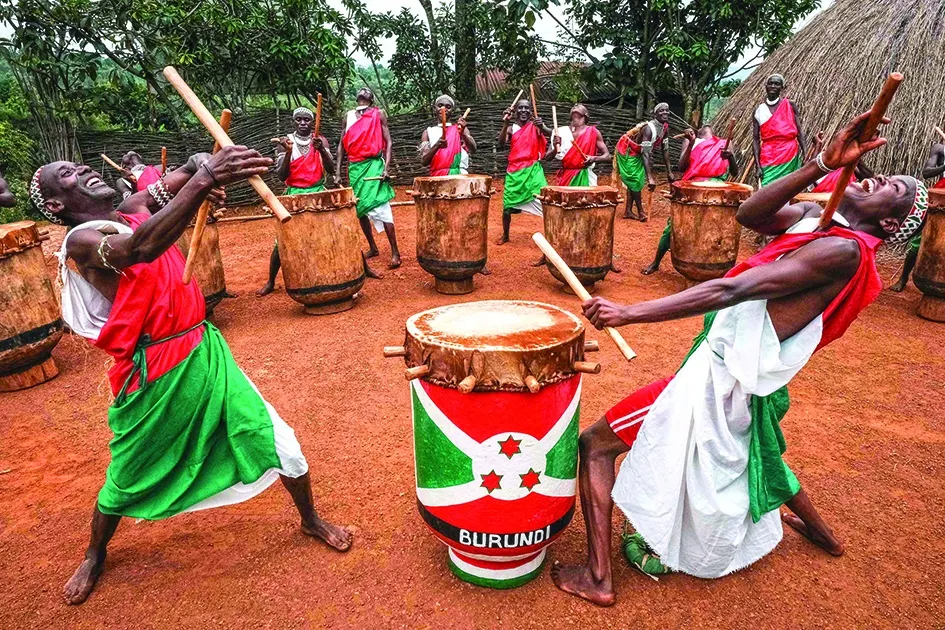
The time before a Gishora performance is an opportunity to understand the place you have come to visit. It is tempting to arrive with a camera ready and think only about the moment the drums begin. A more rewarding visit starts with introductions, an explanation of the programme and a few questions about what you will be watching. The performance then has context: people, skills and a living cultural tradition, rather than sound separated from its meaning.
M Travel can include Gishora in a private cultural journey around Gitega. The exact arrangement should be confirmed with the team before you travel. This article explains how to prepare for the visit and use the time before the performance thoughtfully. It complements our guide to photographing Gishora respectfully, which focuses on images during and after the event.
Know what has been arranged
Check the booking description rather than assuming that a performance begins at a fixed public time. Confirm your arrival plan, the group size, the guiding language and what the visit includes. If you already have your own transport, explain where you will be coming from and ask for a clear meeting point. If M Travel is providing transport, keep the pickup instructions with your booking details.
Different visitors need different preparation. Someone arriving from Bujumbura may have a substantial journey before reaching Gishora, while a visitor staying in Gitega can plan the day differently. Let the team know about an onward journey or flight before agreeing to a tightly timed programme. Ask how the day can adapt if rain interrupts an outdoor performance. A little flexibility protects the experience from becoming a race against the clock.
Understand the distinction between the place and the tradition
UNESCO inscribed Burundi’s ritual dance of the royal drum on its Representative List of the Intangible Cultural Heritage of Humanity in 2014. The recognised tradition brings together drumming, dance, song and poetry, with knowledge passed between practitioners. This recognition concerns a living cultural practice. It should not be described as a World Heritage inscription of the physical Gishora site.
That distinction changes the questions worth asking. Instead of treating the sanctuary only as an old building to photograph, ask how skills are learned, how a group prepares and what visitors should understand about the performance. Let the host explain local terminology and the role of the place in their own words. There may be details that are appropriate to discuss and others that are not part of the visitor programme.
Begin with introductions rather than instructions
Give the guide time to introduce your group and explain how the visit will proceed. This is a good moment to confirm names, language needs and practical questions. If you hope to speak with a performer afterwards, ask whether that can be arranged. A person preparing to perform may not be free for an extended conversation just because visitors have arrived early.
Approach the programme as a guest. A request for a photograph, a demonstration or an explanation is still a request. Do not assume that the performers can change an established sequence to match your preferred camera angle or departure time. When an extra activity matters to you, raise it during booking so the team can discuss it properly with the hosts rather than making a last-minute demand.
Learn what to watch before trying to record everything
A useful introduction can give you two or three points of attention. Ask where the group wants visitors to stand or sit, how to follow the changes in the performance and which moments are best experienced without looking through a screen. Avoid asking for a complete explanation of every movement immediately before the event. A small amount of context is easier to remember and leaves room for discovery.
You might choose to watch the relationship between performers, the change in pace or how a movement develops over a sequence. Different members of your party can notice different things and compare impressions later. This approach makes the visit more personal than trying to collect the same photograph everyone else has seen online. A performance is an unfolding event, not a set of static poses.
Settle photography and filming questions early
Tell the guide whether you want casual photographs, a longer video or material for professional use. Those are different requests and may involve different arrangements. Ask where photography is appropriate and whether any moments should remain unrecorded. Do not assume that permission to take personal pictures automatically covers a commercial production, a drone flight or a filmed interview.
Prepare equipment before the performance begins. Check battery space, turn off unnecessary sounds and use a position that does not block other visitors. If you need to change position, follow the host’s guidance. The aim is to document an experience while allowing it to happen. Spending a few minutes on these details before the first drumbeat is more considerate than interrupting the programme to solve avoidable problems.
Allow everyone in your group to be comfortable
Tell the team in advance about mobility limitations, difficulty standing for long periods or sensitivity to loud sound. Ask what seating or viewing arrangement can be provided rather than assuming the venue has particular facilities. Families should discuss the visit with children beforehand in simple terms: there will be performers, strong sound and a place where the audience is expected to remain.
Carry the practical items your group needs, but keep the viewing area uncluttered. A large bag on the ground can obstruct movement. Ask where belongings should stay and where a person can step away if necessary. Comfort is not a distraction from appreciating culture; when basic needs are considered, visitors can give the performance their attention.
Leave space for questions afterwards
Some questions make more sense after you have watched. Keep a brief mental note of a movement, an instrument detail or a change in rhythm that interested you. When the programme allows, ask about that specific observation. A focused question is often easier for a host to answer than a request to explain an entire cultural tradition in a few minutes.
Record answers accurately if you intend to publish them. Confirm a person’s name and role, and obtain permission before presenting their words as a quotation. If you did not conduct an interview, do not later turn an ordinary exchange into a supposed personal testimony. You can write honestly about your own impressions while clearly separating them from explanations given by the guide or performers.
Place Gishora within a thoughtful cultural day
A visit can be paired with time in Gitega, a museum stop or another arranged encounter, but each addition needs its own allowance for travel and conversation. Ask which sequence gives Gishora enough space. A day with two well-understood visits may be more satisfying than a list of several places that are reached only briefly.
Browse our Burundi cultural packages or send your preferred date, party size and starting town through Plan your trip. Tell the team whether your main interest is cultural history, music, photography or a family introduction. The best preparation does not try to predict every moment of the performance. It creates the conditions for you to be present when it begins.
Further reading and sources
Destination references checked 2026-11-08. Confirm current access and your travel arrangements with the local team.