
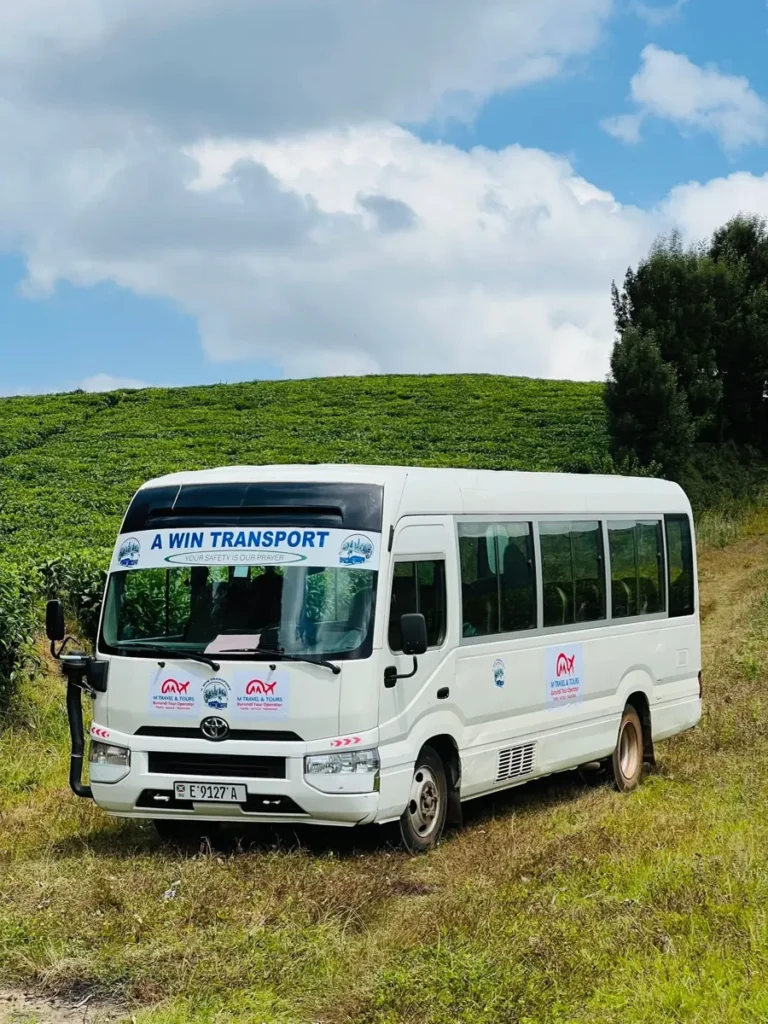
A Burundi road trip becomes more satisfying when the route follows your interests rather than the other way around. A map can tempt you to join every recognisable place into a single loop. The result may look complete on paper while leaving too little time for the experiences that brought you to the country. Begin instead with the kind of days you want: cultural conversations, patient nature observation, landscape photography or a changing view with comfortable stops.
This planning guide is designed for a private journey with a driver and guide. It offers a way to decide what belongs in the itinerary, what can be combined and what deserves its own day. Exact journey times, access and overnight arrangements should be confirmed for your dates. Our Burundi tour packages provide starting points; a personal route can then be discussed through Plan your trip.
Choose three priorities before drawing a route
Write down the three experiences you would most regret missing. Be specific. “Culture” might mean understanding the royal drum tradition at Gishora, spending time in a museum or arranging a host-led conversation. “Nature” might mean a forest walk, birdwatching or looking at the open landscape of a national park. Each of these requires a different amount of time and a different style of guiding.
Then identify what is optional. A beautiful place can still be the wrong addition if reaching it removes the time needed for your main interest. Separating essentials from possibilities makes the conversation with a tour planner much clearer. It also creates a sensible basis for adjusting the journey if weather or access changes, because the team knows which experiences matter most.
Think in full days rather than isolated attractions
An attraction occupies more than the minutes spent at the entrance or viewpoint. The day includes loading bags, driving, finding a suitable meal stop, visiting, taking breaks and reaching the next accommodation. Ask the team to describe this complete sequence. A route with fewer named stops can contain more meaningful experiences if each is given room to develop.
Consider the character of consecutive days as well. Several demanding walking days or long transfers in succession may not suit your party. Alternate more concentrated visits with gentler intervals where the route allows. A day around the lake, for example, can feel different from an early departure followed by a highland walk. Variety is useful when it reflects genuine changes in pace, not simply changes in place names.
Give overnight stops a practical role
Accommodation choices influence how the route feels. An overnight stop can reduce repeated driving, place you nearer the next activity or provide a needed interval of rest. Ask why a proposed town has been chosen and how it affects the following morning. The most attractive hotel on a list may not be the most practical base for every part of the journey.
Explain what you need from accommodation before comparing routes. Room arrangements, meal preferences, stairs, work calls and laundry requirements can affect the plan. Confirm what is included and which items remain payable separately. If you want a particular property, ask about availability and alternatives rather than assuming a sample itinerary guarantees a room there.
Use the journey between visits
A private road journey offers opportunities to notice landscape changes, but these should be handled safely and respectfully. Tell the guide if photography or scenic pauses are important. They can identify suitable places to stop rather than responding to last-second requests. A narrow road, working entrance or private field is not automatically an appropriate viewpoint.
Prepare a few questions that connect one part of the route to another. You might ask how the surroundings change with elevation, how a town relates to nearby farming areas or why the route follows a particular valley. These questions make time in the vehicle part of the experience. They also prevent the journey from becoming only a wait for the next scheduled attraction.
Match specialist interests with specialist time
Birdwatching, photography and cultural research can require longer at a place than a general introductory visit. State this clearly before booking. A photographer who wants to wait for changing light has a different schedule from a party wanting a short view and a relaxed lunch. A traveller hoping for an interview needs an arranged conversation, not merely a visit to the person’s workplace.
For northern nature travel, our articles on Kirundo and the northern lakes and a dedicated Ruvubu journey explain why patient pacing matters. If forest detail is your main interest, build the day around that walk instead of treating it as an additional stop after a long drive. The route should protect the activity you care about.
Discuss the vehicle as part of the itinerary
Give the team the real number of travellers and a realistic description of luggage. A vehicle’s seating capacity alone does not explain how comfortably your party and bags will fit. Tell the planner about large camera cases, child-related equipment or extra luggage for an onward international journey. Ask what vehicle arrangement is proposed for the route and whether any transfer uses a different vehicle.
Clarify the roles of the people accompanying you. Depending on the arrangement, a driver may also guide, or a separate guide may join particular visits. Confirm the guiding language and how local site guides fit into the programme. Clear roles make it easier to know whom to ask about the road plan, the interpretation of a place or a change to the next day’s schedule.
Build a budget from the complete inclusions
Comparing two headline prices is not enough. Check transport, guiding, entrances, accommodation, meals and the exact activities included. In M Travel’s current package arrangements, private airport arrival and departure transfers are included in the package price; provide flight details so they can be organised. Read the individual package for the rest of its inclusions and any conditions that apply to your party.
Ask which choices could change the total before adding them. Extra nights, a different room arrangement or a specialist activity may require an updated quotation. Keep the written revision with your booking details. When paying through the shared WeTravel link, use the amount and currency shown for your booking, and upload the receipt through your client dashboard for the team’s review.
Leave room for the journey to feel personal
A useful itinerary is detailed enough to explain responsibilities and flexible enough to accommodate ordinary changes. Agree on the essentials, then leave reasonable space for a longer conversation, a rest or a scenic pause. That does not mean promising unscheduled access everywhere. Hosts, guides and accommodation providers still have their own arrangements to respect.
Send M Travel your travel dates, arrival and departure details, party size, three priorities and preferred pace. Mention whether Burundi forms part of a wider East Africa journey so the beginning and end connect sensibly. A strong road trip is not the one with the most stops. It is the one whose days work together and give your chosen experiences enough time to become memories.